If you need fast, accurate case information in Hamilton County, the Hamilton County Court Docket Search helps you instantly check hearing dates, case status, charges, warrants, and court outcomes. Serving 800,000+ residents, the county handles 100,000+ cases annually across 3 major court divisions. Search by name, case number, or ticket number to access real-time civil, criminal, traffic, and probate records without visiting the courthouse.
Court Record Search
Select a search type to begin your inquiry
This may take a moment.
Hamilton County Court System Overview
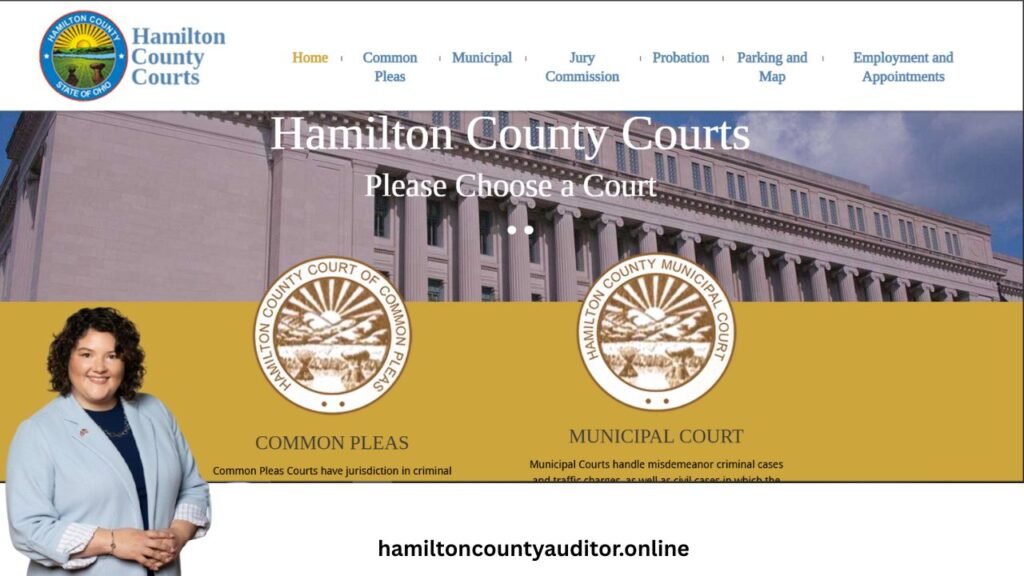
Hamilton County maintains dockets across multiple court divisions:
- Court of Common Pleas – Criminal Division
- Court of Common Pleas – Civil Division
- Domestic Relations Court
- Probate Court
- Municipal Courts
Role of the Clerk of Courts
The Clerk ensures all case events are recorded accurately and updates dockets in real-time. Judges, lawyers, and the public rely on these records for case management.
What Information Appears on a Court Docket
Every docket entry answers: What happened in this case on this date?
Typical Entries
- Filing of complaints or petitions
- Motions submitted by parties
- Orders issued by judges
- Scheduled hearings or trials
- Final judgments or dispositions
Sample Docket Table
| Date | Event | Description |
| 03/12/2025 | Motion Filed | Defendant Motion to Dismiss |
| 04/01/2025 | Hearing Scheduled | Pre-Trial Conference |
| 04/01/2025 | Order Issued | Motion Denied |
Understanding Status Terms
- Open: Case is active
- Pending: Awaiting action or decision
- Closed: Case resolved, no further activity expected
How to Read a Hamilton County Court Docket
Reading a docket effectively requires practice. Follow these steps:
Step 1: Identify Case Status
Check if the case is open, pending, or closed.
Step 2: Review Latest Entries First
Newest actions define the current situation.
Step 3: Focus on Hearing Dates
Verify times, courtrooms, and judge assignments.
Step 4: Distinguish Orders from Motions
- Motion: A request made to the court
- Order: Court’s official decision
Search Methods
- By case number
- By party name
- By attorney name
- By court division
Search Tips
- Use full legal names
- Avoid abbreviations
- Narrow by date if needed
Common Court Docket Terms Explained
| Term | Meaning |
| Arraignment | First court appearance in a criminal case |
| Continuance | Rescheduling of a hearing |
| Disposition | Case resolution or outcome |
| Filed | Document officially submitted |
| Judgment | Final decision issued by the court |
Public Access and Privacy
Publicly Available Records
- Most civil and criminal cases
- Traffic and municipal cases
Restricted Records
- Juvenile cases
- Sealed or expunged cases
- Certain probate matters
Practical Applications of Court Dockets
- Tracking case progress
- Confirming court dates
- Preparing legal strategies
- Supporting background checks
Key Reminder
A docket is informative but does not replace professional legal advice.
Common Mistakes to Avoid
- Confusing filing dates with hearing dates
- Assuming a case is closed due to missing entries
- Ignoring updates or new motions
- Expecting full legal documents from the docket
When to Consult a Lawyer
Contact legal counsel if:
- A hearing is scheduled
- An adverse motion is filed
- Orders affect your rights
- You don’t understand docket terminology
What Is a Court Docket
A court docket is a chronological record of legal proceedings in a case. Think of it as the court’s official timeline, detailing all events from the initial filing to case closure.
Key Functions
- Tracks all case activities
- Provides scheduled court dates
- Records filed documents, motions, and orders
Court Docket vs Case File
| Aspect | Court Docket | Case File |
|---|---|---|
| Contents | Timeline summary of case events | Full legal documents, filings, evidence |
| Purpose | Tracking & scheduling | Legal reference & evidence |
| Accessibility | Mostly public | Some documents restricted |
Conclusion
Understanding the Hamilton County Ohio Court Docket is essential for anyone involved in legal matters. By following this guide, you can confidently read, track, and interpret case records, stay updated on hearings, and make informed decisions. Always verify information and seek professional legal advice when necessary.